
Sun Protection During Outdoor Sports
August 2026
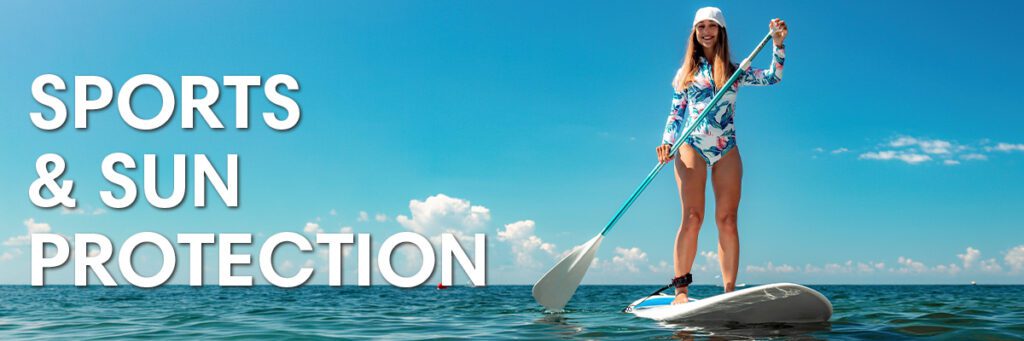
6 Dermatologist-Approved Tips for Protecting Your Skin During Outdoor Activities
Outdoor sports often mean spending prolonged periods under the sun’s rays, and even if you apply sunscreen at the start of your golf or soccer game, sweat, friction, and dehydration can decrease its effectiveness long before you head inside.
Good sun protection during outdoor sports requires some planning and attention during activity, but it’s essential for reducing the risk of sunburn, premature aging, and skin cancer.
In this post, our dermatologists offer recommendations to help you be skin smart this summer when heading outdoors for any activity.
Sweat, Friction, and Hydration: The Sun Protection Trifecta for Outdoor Sports
Most outdoor sports require significant time under the sun during peak UV hours. For example:
- Cyclists and long-distance runners might be outside for well over 2 hours
- Golf, pickleball, soccer, baseball, or basketball games can keep players in the sun for 2-4 hours
- Going hiking can take a few hours or be a full-day outdoor activity
All that moving around in the sun causes sweat, friction, and dehydration, all of which can make sunscreen less effective. To keep your sunscreen working to protect your skin, follow these tips:
1. Opt for a Sunscreen Designed for Sports
Not all sunscreens hold up to the sweat and friction created when playing sports. Choose a broad-spectrum sunscreen with an SPF 30 or higher that protects against UVA and UVB rays – and make sure it uses a sweat- and water-resistant formula.
2. Consider Your Eyes When Considering Sun Protection
Ever felt the burn as sweat carries sunscreen into your eyes? Sunscreens containing zinc oxide or titanium dioxide are less likely to sting and are ideal for athletes who sweat during activity.
Additionally, your eyes can be damaged by the sun as well, and UV exposure has been associated with the development of some eye conditions and rare cancers, such as ocular melanoma.
Wear sunglasses that block 100% of UVA and UVB rays, and try to make it a habit to wear sunglasses for all outdoor activities, including driving.
3. Reapply Sunscreen Often for Game-Lasting Protection
Applying once before your sport won’t protect your skin the entire time. Just like at the beach, it’s important to reapply every two hours during outdoor activity and reapply more frequently if you are sweating, pouring water on yourself, or toweling off frequently.
4. Focus Sunscreen on Higher-Risk Areas of the Body
All skin needs sun protection during outdoor sports, but some areas of the body are at higher risk than others. These include:
- Ears: Short hair or ponytails leave ears exposed, and they are often forgotten while applying sunscreen to the face.
- Scalp and part line: Spray sunscreens are best for ensuring your scalp and part line are protected. An SPF hat is also a good option to protect the top of your head.
- Back of the neck: With short hair or ponytails, the back of the neck is also exposed and often neglected during sunscreen application.
- The tops of your hands and feet: When applying sunscreen to your arms and legs, go the extra mile and cover the tops of your hands and feet as well.
- Lips: The lips are also skin and will burn! Pack an SPF 30+ lip balm and apply often to keep your lips protected.
5. Wear UPF Clothing During Outdoor Sports
When possible, choose UPF clothing to add extra protection from the sun. There are a variety of UPF-labeled garments like long-sleeve athletic shirts, lightweight hoodies, hats and visors, and athletic shorts and pants that function well during activity and do double-duty with sun protection.
6. Stay Hydrated to Support Skin Health and the Skin Barrier
While proper hydration doesn’t prevent sunburn, it will support the skin barrier, which helps the skin retain moisture and stay protected from environmental stressors like the sun.
Because outdoor sports increase fluid loss, bring enough water and drink it frequently to prevent dehydration.
When to See a Dermatologist About a Skin Smart Summer Sports Plan
For athletes and outdoor enthusiasts, repeated sun exposure during sports can increase the risk of sunburn, precancerous spots, premature aging, or skin cancer.
If you spend a lot of time outdoors or have experienced sunburns in the past following sports or other outdoor activities, it’s a good idea to visit your dermatologist for a skin check and to discuss best practices for sun protection. An appointment like this can help you in three crucial ways:
- A skin check will identify any concerning areas on your skin that should be tested for skin cancer or require more sun protection.
- You can discuss your specific summer activities and a suncare regimen that will best protect you every day.
- Your dermatologist can recommend the best products for effective sun protection for your specific skin type.
Outdoor activities are a great way to take advantage of summer, but proper sun protection makes them more enjoyable and safer! Schedule an appointment today with one of our dermatologists.
FAQs About Sun Protection During Outdoor Sports
How often should athletes reapply sunscreen?
Dermatologists recommend reapplying broad-spectrum SPF 30+ sunscreen every 2 hours, or more frequently if you are sweating heavily, toweling off, or swimming.
Is mineral sunscreen better for sports?
Mineral sunscreens containing zinc oxide or titanium dioxide are often preferred by athletes because they are less likely to run into the eyes and cause stinging or burning during heavy sweating.
What body areas are most commonly missed when applying sunscreen?
The ears, scalp or part line, back of the neck, tops of the hands, tops of the feet, and lips are among the most frequently missed and most vulnerable areas.
Can sunburn affect athletic performance?
Yes. Sunburn causes inflammation, pain, heat retention, and discomfort, which can interfere with training, recovery, sleep, and overall performance.
Does hydration help protect the skin during outdoor sports?
While hydration does not prevent sunburn, it helps support skin barrier function and can reduce the negative effects of dehydration caused by prolonged sun exposure and physical activity.